
Large groups need a holiday that works for everybody at the same time. Extended families, groups of friends, clubs and company teams can share ancient temples, colourful islands and relaxed lunches beside the sea. Well-planned Greece tours bring all of this together, so the group spends less energy organising and more time enjoying every day.
This guide covers the entire country, region by region, in simple and practical terms. It explains what the group will see, which tours suit which personalities, and what comes included with each trip. Readers who want extra inspiration can browse My Greece Tours for fresh itineraries across the mainland and the islands.
Which Greece Tours In The Cyclades Give Groups Good Value?
The best value in the Cyclades comes from Greece tours that share one boat or one guide. Meals, swimming and sightseeing then cost less for every person in the group. Websites such as Greece tours and Tours In Greece show how island days can be shaped around a group. Nobody pays for empty seats.
What draws big groups to the Cyclades?
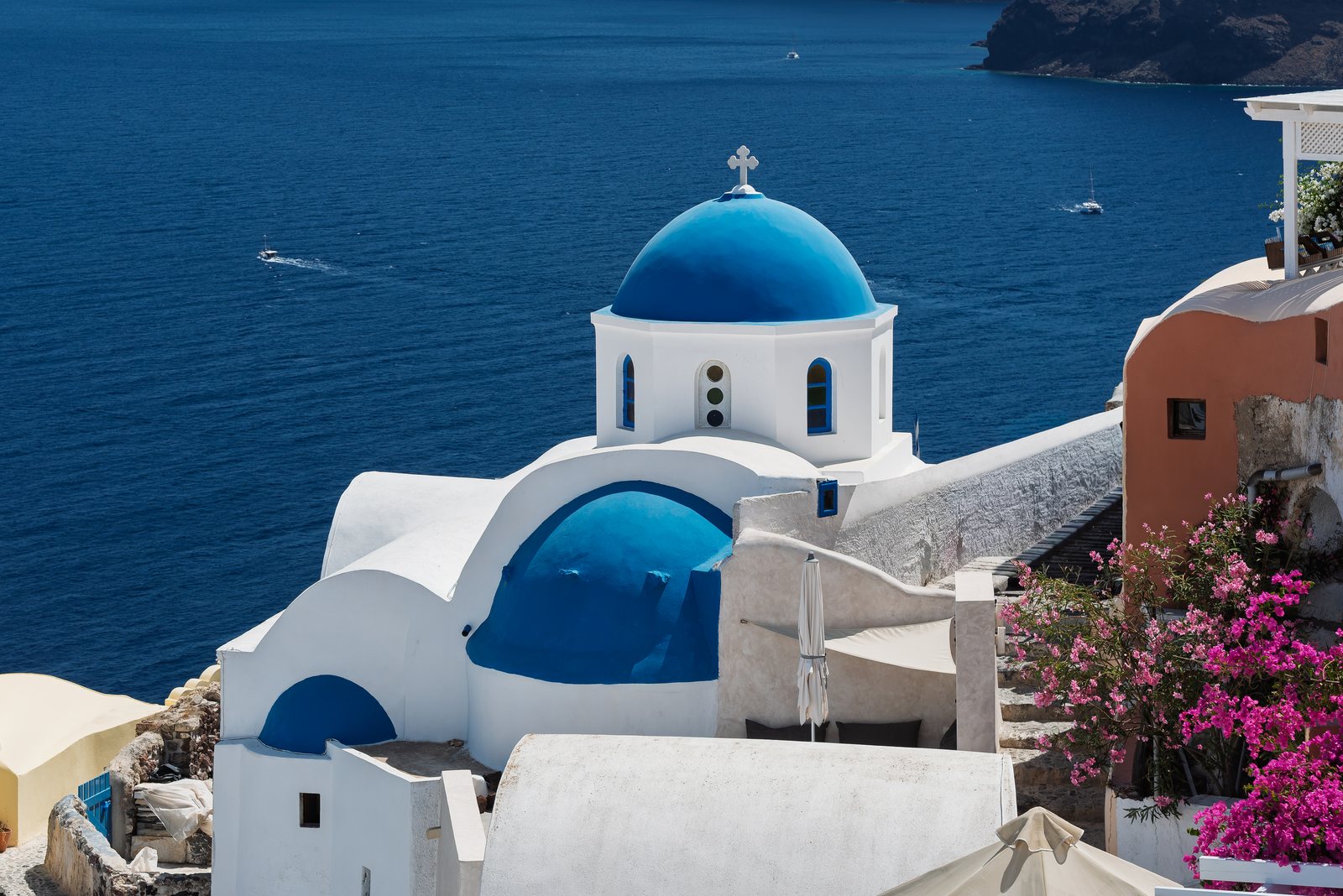
Santorini is the island most visitors picture first. Its cliff villages of white houses sit high on the edge of an ancient volcano. The views drop straight down to a deep blue bay, and groups love the golden evening light in Oia. Mykonos adds a famous row of white windmills on a breezy hill.
Delos is a small island that was once a sacred place of worship. Greek mythology says the god Apollo was born there. Today nobody lives on the island, and visitors wander among temples, ancient homes and a line of marble lions. Milos offers mysterious sea caves and smooth white rocks shaped by wind and waves.
On Naxos, the old town climbs a hill to a castle built by Venetian rulers. A huge marble doorway stands beside the harbour, the last piece of a temple that was never finished. On Paros, the harbour of Naoussa is full of fishing boats, seafood tavernas and the ruins of a little Venetian fort.
What kind of Greece tours reach the Cyclades?
Private tours with a driver-guide or skipper suit families and company teams who want the day on their own terms. These tours are priced per group, not per person, so a full group gets better value. The guide or skipper can slow down for grandparents or speed up for energetic, confident swimmers.
Boat cruises with swim stops are the easy favourite for groups of friends. Full-day trips from Athens by coach work for groups based in the capital who want a quick taste of island life. Snorkel and beginner scuba trips suit the adventurous members, since an instructor stays close to new divers throughout.
Cooking classes and wine tastings bring the quieter members of a group together. Many Greece tours on Santorini combine a lesson in traditional dishes with a visit to a family vineyard. These relaxing hours suit older relatives and anyone who would rather sit at a table than balance on a deck.
Which comforts are part of Greece tours in the Cyclades?
Food and drink keep a group happy, and most island days include both. A typical boat trip comes with lunch or a BBQ meal served fresh on deck. Drinks are part of the package, and on some cruises they are unlimited. Nobody has to remember who ordered what or calculate who owes whom.
A licensed or local guide is especially valuable on a crowded, popular island. The guide knows the quiet lanes, explains the old legends and keeps the group moving together. On boats, snorkel gear is provided, so nobody needs to pack masks. Swim stops let everyone cool off in crystal-clear water between the sightseeing.
Free time to explore matters just as much. Good Greece tours leave space for shopping, coffee, photographs or a quiet rest in the shade. Wine tastings complete many evenings, featuring crisp local white wines grown in volcanic soil. These breaks let a mixed group separate for a while, then reunite later in excellent spirits.
What should groups remember in the Cyclades?
Island days start early, so groups should set out before the midday sun gets too strong. Choose a meeting point that everyone can find, like a church or a harbour café, and agree on a return time. Name a leader for each smaller cluster of people, so headcounts stay quick, calm and simple.
Pack sun cream, hats, swimwear and a light layer for windy boat rides. Comfortable shoes matter on steep village steps. Create a group chat on every phone, and share the boat name and meeting point there. Bring cash in small notes for snacks, and carry extra bottled water for the older travellers in the group.
Why Book Greece Tours In The Classical Sites As A Group?
Booking Greece tours of the classical sites as a group means one guide, one coach and one plan for everyone. The ancient stories come alive when the whole group hears them together. Shared transport also removes the stress of long mainland journeys. Nobody has to read maps, follow road signs or search for parking.
What draws big groups to the classical sites?
Delphi sits on the slopes of Mount Parnassus. Ancient Greeks believed it was the centre of the world. Pilgrims travelled from distant lands to consult the oracle, a priestess who spoke for the god Apollo. Today visitors walk past treasure houses, a temple, a theatre and a stadium carved into the mountainside.
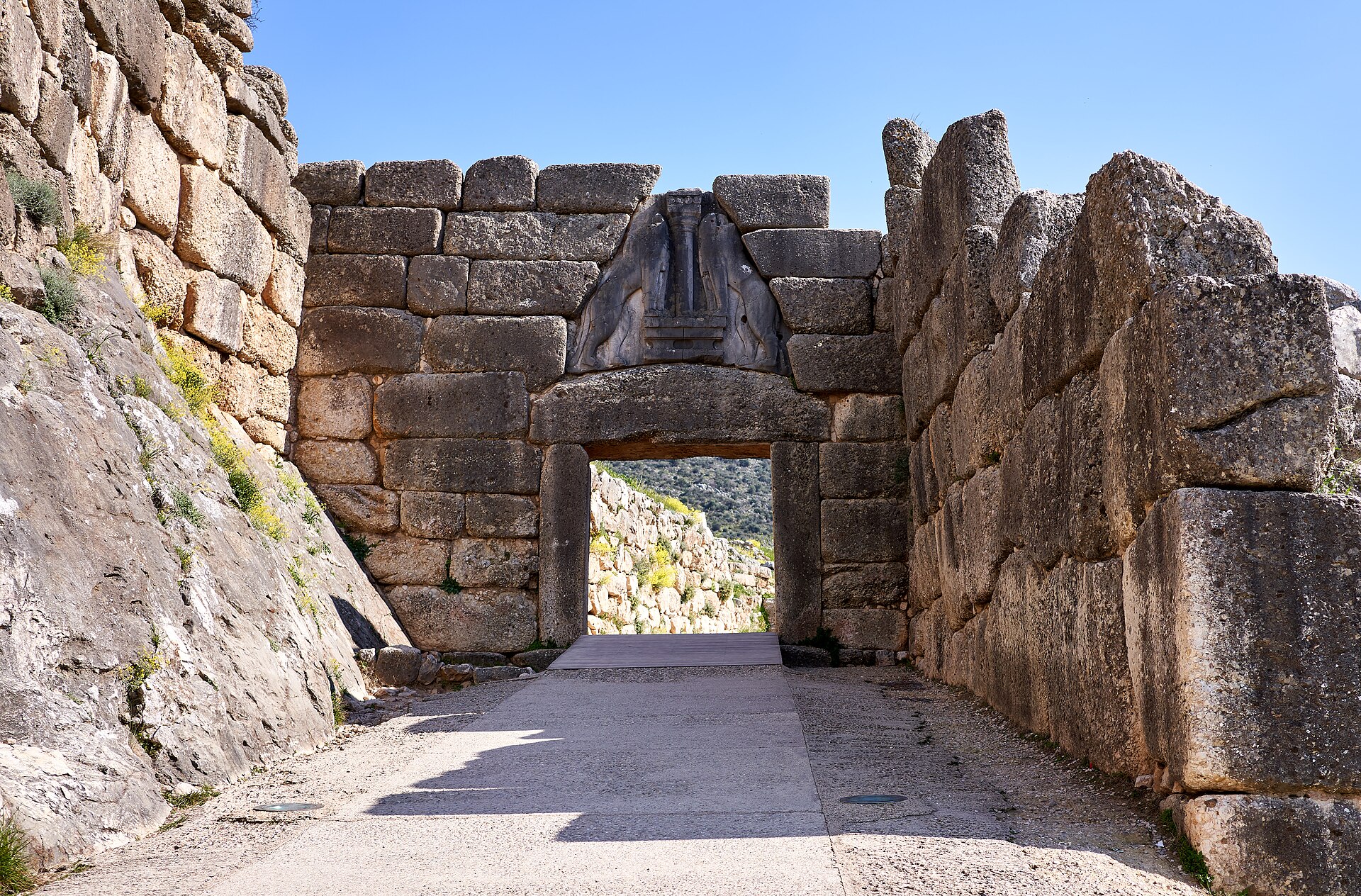
Meteora is a different kind of wonder. Monasteries balance on top of tall rock pillars, and monks once reached them by rope and basket. Mycenae was a citadel, which means a walled fortress on a hilltop. Its Lion Gate and enormous stone walls belong to the legendary age of King Agamemnon and his warriors.
Epidaurus has an ancient theatre with sound so clear that a whisper on stage reaches the highest seats. Nearby Nafplio is a harbour town with a castle on a little island and a fortress above the streets. Ancient Olympia is where the Olympic Games began, and the canal at Corinth cuts through solid rock.
What kind of Greece tours reach the classical sites?
Small-group tours suit clubs and friends who appreciate a guide’s full attention. Full-day trips from Athens by coach are the simplest way to see Delphi, or Mycenae and the Corinth Canal, without any driving. The coach handles the winding mountain roads, and everyone can rest, read or chat between the different stops.
Guided walking tours work well at big sites like Olympia, where the ruins spread out and the stories are easy to miss. Entry tickets alone suit groups who want to explore at their own relaxed pace. Teenagers and history lovers can wander freely, while others relax in the shade and take it slowly.
Multi-day Greece tours with hotel nights suit extended families and company teams who want the full circle of the mainland. These journeys connect Delphi, Meteora, Olympia and the towns of the Peloponnese without rushing anybody. Every evening brings a different historic town to explore once the heat of the afternoon fades away.
Which comforts are part of Greece tours in the classical sites?
A licensed or local guide is the most useful comfort at the classical sites. Ruins can look like piles of stone without someone to explain them. A good guide turns a broken column into an exciting story about gods, kings and athletes. The guide also prevents the group from drifting apart in the heat.
Entry tickets come included on many Greece tours, which saves valuable time at busy entrance gates. Nobody needs to collect money from everyone or stand in a long queue at the ticket office. The group simply follows the guide through the entrance and starts exploring immediately, with fresh legs and positive moods.
On multi-day trips, comfortable hotel nights are part of the plan. Rooms are reserved in advance, luggage travels with the coach, and nobody has to search for beds at the last minute. That matters for large groups, since finding enough rooms in a small mountain village is difficult during the busiest months.
What should groups remember in the classical sites?
Classical sites have little shade, so groups should arrive when the gates open. Agree on a meeting spot near the entrance before anyone wanders away. Walking shoes with good grip help on smooth old stones and steep paths, especially at Mycenae and Delphi. Slower walkers do best near the front, beside the guide.
Bring hats, sun cream and plenty of water, since cafés are rare inside the sites. The monasteries at Meteora ask visitors to cover their shoulders and knees, so pack a scarf or a long skirt. Count heads at every stop. A photo of the coach helps any lost member find the way back.
How Do Greece Tours In Athens Run For Groups?
Greece tours in Athens start early at the Acropolis and then continue through the historic streets with a guide. Most days finish with delicious food, local wine or a trip to the sea. The pace suits mixed groups well. Everybody sees the major sights before the heat and the crowds build up.
What draws big groups to Athens?
The Acropolis is the rocky hill at the heart of Athens. On top stands the Parthenon, a magnificent marble temple built for the goddess Athena. Beside it, the Erechtheion has a porch held up by statues of young women instead of columns. Groups appreciate the size of the place best in the soft morning light.
Below the hill, the Acropolis Museum displays the original statues, with glass floors above an ancient street. It ranks high on any list of must-see museums in Athens. The Ancient Agora was the city’s market and meeting place, where famous thinkers debated big ideas. The Temple of Olympian Zeus has gigantic columns.
Plaka and Monastiraki are lively neighbourhoods full of narrow lanes, souvenir stalls and grilled food. Lycabettus Hill gives the best view over the entire city, all the way to the sea. On the coast, the Temple of Poseidon, god of the sea, stands on a cliff at Cape Sounion. Sunset there is a group favourite.
What kind of Greece tours reach Athens?
Private tours with a driver-guide or skipper suit families with young children or elderly relatives. They are priced per group, and the vehicle waits nearby, so tired legs get a rest between sights. Company teams also like this option, because the day can adapt around meetings, late starts or a celebration dinner.
Guided walking tours suit groups of friends and clubs who enjoy moving around on foot. A guide leads them up the Acropolis, through the Agora and into Plaka in one smooth loop. Boat cruises with swim stops leave from the coast near Athens and follow the blue shoreline, a refreshing escape from the city.
Cooking classes and wine tastings fit any evening. Groups chop, stir and laugh their way through traditional Greek dishes, then eat what they created. Many Greece tours in the city add a tasting of wines from the hills around Athens. These are the hours that turn colleagues into a group of real friends.
Which comforts are part of Greece tours in Athens?
A licensed or local guide makes all the difference in Athens. Only licensed guides are allowed to lead groups inside the main ancient sites, and they bring the myths to life. They also know exactly where the shade is, when the crowds thin out and which café serves the best iced coffee.
Meals matter on a long city day. Cooking classes end with lunch at a shared table, and boat trips along the coast serve lunch or a BBQ meal on board. Drinks come with these trips, and some cruises keep them unlimited all afternoon. Swim stops in clear bays refresh everyone after the ruins.
Wine tastings are a calm way to end the day. Greece tours in Athens pair them with stories about the grapes and the families who grow them. For groups, the best part is that everything is organised. Nobody has to plan, book or divide the bill at the end of the evening.
What should groups remember in Athens?
Athens gets hot quickly, so groups should reach the Acropolis right at opening time. Pick a simple meeting point, such as Monastiraki Square or a metro exit, and set a clear time. Large groups move better in smaller teams of friends or relatives, each with its own leader and a charged phone.
Bring water bottles, hats, sun cream and shoes with grip, because the marble on the Acropolis is slippery. Leave big bags at the hotel, since the sites do not allow them. Keep wallets close in crowded Monastiraki. A light jacket helps at Cape Sounion, where the evening wind blows hard off the sea.
What Makes Greece Tours In Crete, Rhodes And Corfu Worth Booking?
Greece tours in Crete, Rhodes and Corfu are worth booking because they combine ancient palaces, castle towns and wild beaches in one holiday. Groups enjoy history and sea time without long transfers. Each island also has room for large groups to spread out comfortably. Nobody feels squeezed, even in the busy summer season.
What draws big groups to Crete, Rhodes and Corfu?
On Crete, Knossos was the palace of the Minoans, an early civilisation that lived on the island long before classical Greece. Legend says the Minotaur, part man and part bull, lived in a maze below it. The museum in Heraklion holds the palace’s painted walls, and the harbour has a Venetian fortress.
Chania has a Venetian port with a lighthouse, a domed mosque and colourful houses along the water. Balos lagoon is famous for its shallow turquoise water and pale pink sand. On Rhodes, the Street of the Knights is a stone lane from the Middle Ages, lined with inns where knights once lived.
Lindos has an acropolis, or high citadel, on a rock above a white village, with a temple to Athena at the top. Corfu town sits between an old fortress and a new fortress, both built by the Venetians. Off Zakynthos, the Blue Caves glow bright blue when sunlight hits the water inside them.
What kind of Greece tours reach Crete, Rhodes and Corfu?
Private tours with a driver-guide or skipper suit families and company teams who want a beach or a palace to themselves. They are priced per group, so costs stay fair when the whole group joins. Boat cruises with swim stops suit friends who want Balos, the Blue Caves or quiet hidden coves.
Full-day trips from Athens by coach suit groups that start in the capital before flying on to the islands. Guided walking tours suit clubs and history lovers in Rhodes old town, Chania and Corfu town. Entry tickets suit groups who want to explore Knossos or Lindos at their own pace, without any pressure.
Cooking classes and wine tastings are a highlight on Crete, where olive oil, herbs and village wines shape every meal. Many Greece tours here hold these classes in old farmhouses, which suits relatives of all generations. Everyone learns a dish, shares a table and leaves with a recipe to try back home.
Which comforts are part of Greece tours in Crete, Rhodes and Corfu?
A licensed or local guide helps the most at Knossos, where the ruins are hard to understand alone. Guides explain the painted walls, the royal rooms and the clever ancient water pipes. Entry tickets come with many Greece tours on these islands, so groups skip the long queue and walk straight in.
Boat days here come with lunch or a BBQ meal, cooked on board or on a quiet beach. Drinks are included, and on some cruises they are unlimited. Swim stops at Balos, the Blue Caves or a peaceful cove suit confident swimmers and careful beginners alike. Everyone returns to the boat refreshed and smiling.
Wine tastings add a slower, gentler moment between busy beach days. Local wines from Crete and Rhodes come with stories about the grapes and the land. For mixed groups, these comforts mean fewer decisions and fewer bills to split. Everyone eats, drinks and swims together, while the guide or skipper handles the details.
What should groups remember in Crete, Rhodes and Corfu?
These islands are large, so groups should stay near the beaches and sights they care about most. Start boat days early to reach Balos or the Blue Caves before the busy crowds arrive. Choose one reliable person to check that everyone is back on board before the boat leaves each swim stop.
Pack swimwear, towels, water shoes for rocky beaches, sun cream and a hat. Seasickness tablets help on windy days. Share a group chat with the boat name and the pickup point. In Rhodes old town and Corfu town, the lanes twist and turn, so agree on a landmark like a fountain or a church.
Conclusion: Best Greece Tours For Group Travel Plans, Planned Well
Greece gives groups a rare mix of island sunshine, ancient stories and long shared meals. The best Greece tours match the place to the people. Boat days suit friends, cooking classes suit families, and walking tours suit history lovers. Multi-day trips with hotel nights suit anyone who wants the complete mainland loop.
Groups that want a trip built entirely around them can explore Greece private tours. These keep everyone together with one guide and one plan. Book early, set clear meeting points and always leave some free time. Greece tours planned this way turn a large group into a team with unforgettable shared memories.
Frequently Asked Questions About Best Greece Tours For Group Travel Plans
Can Greece tours be private for one group?
Yes, private Greece tours keep the guide, the vehicle or the boat for one group only. They are priced per group, so a full group gets fair value for the day. Families, clubs and company teams can then set their own pace, choose their own stops and take breaks whenever they like.
Can Greece tours mix islands and ancient sites?
Yes, many Greece tours combine both, and groups enjoy that variety most of all. A popular itinerary starts with Athens and the mainland ruins, then moves to the Cyclades or Crete for relaxing sea days. Crete and Rhodes already blend both, since palaces and medieval castles sit close to beaches and boat trips.
Which month suits Greece tours best?
May and September suit most Greece tours, since the sea is warm, the sun is gentler and the crowds are smaller. June works well for island boat days and long, warm evenings outside. The height of summer gets extremely hot at the ruins, so groups travelling then should always plan early starts.
Can large groups stay together on Greece tours?
Yes, large groups stay together easily when they book a private coach, an entire boat or a guide just for them. Splitting into smaller teams with their own leaders makes headcounts quick and simple. A shared group chat and clear meeting points keep everyone connected, even in the crowded old towns of the islands.
Which season is quietest for Greece tours?
Spring and late autumn are the quietest times for Greece tours across the country. The ancient sites feel peaceful, and the guides have more time for questions from the group. Some boat trips run less frequently in the cooler months, so groups who want sea days should aim for the edges of summer.
How do groups pick the right Greece tours?
Start by asking what the group enjoys most on Greece tours: history, the sea, food or a mixture. Then match each person to a tour kind, such as walking tours for history lovers and boat cruises for swimmers. Check what each trip includes, like a guide, meals, drinks or entry tickets, before booking anything.
How do big groups book Greece tours early?
Big groups book Greece tours early by choosing one lead organiser and fixing the travel dates first. Then they reserve seats, rooms and guides before the busy summer months fill up. Early booking gives the whole group far more choice, and it gives everyone enough time to arrange holidays from work or school.
Pick one planner and agree on dates
A group of friends or a club moves much faster when one person speaks for everyone. This organiser collects possible dates, room requests and dietary needs in one shared document. Tour operators then deal with a single contact, which prevents confusing mixed messages.
The organiser should set a firm deadline for replies and stick to it. People who miss the deadline can still join later if space remains, but the main booking goes ahead. This keeps Greece tours moving forward instead of stuck in an endless group chat.
Dates matter more than most groups expect, because Greek holidays such as Easter bring local crowds, special church services and closed shops. A quick look at Greek holiday customs by season helps the organiser avoid surprises or plan around a festival on purpose.
Company groups usually plan around work calendars, while big families plan around school holidays. Both should share a short list of possible dates with the tour team. A flexible window makes it much easier to find Greece tours with enough space for everyone.
Hold guides, buses and rooms together
Big groups need more than a few seats on a shared bus. They often need a whole coach, an experienced guide who can manage a crowd, and neighbouring rooms in one hotel. These pieces sell out first in summer, so early reservations for Greece tours make everything easier.
Some groups prefer Greece tours with their own guide and their own vehicle. The options in this guide to private and small group tours give a group full control over pace and stops. Big families with young children or elderly relatives often find this arrangement the most comfortable.
Before paying anything, the organiser should compare exactly what each option includes. Some Greece tours cover meals, entry tickets and transfers, while others only cover the guide. A practical guide to choosing the right Greek tour helps the group ask the right questions early.
How do groups keep everyone together on Greece tours?
Groups keep everyone together on Greece tours by setting clear meeting points, sharing one group chat and giving each person a buddy. A quick head count at every stop completes the system. These simple habits work equally well for families, clubs and company teams.
Use meeting points, buddies and a group chat
At busy attractions, a group can separate in a few seconds. The guide or organiser should name an obvious meeting point, such as a large gate or a shop sign, at every stop. Everyone should also know the meeting time before they wander off.
A buddy system works especially well on Greece tours for big families with younger children. Each person looks out for one other person, so nobody gets forgotten when the coach leaves. A shared group chat then carries updates, photos and any sudden change of plan.
Phones can run out of battery, so each traveller should also carry the hotel name and address on paper. These safety tips for Greece visitors cover lost belongings, hot weather and busy streets. Greece tours run smoothly when every person knows exactly what to do if they get lost.
Shared manners also keep a group together and welcome wherever it goes. Loud conversations in churches or at peaceful sites can cause problems for the whole party. A short read on polite travel in Greece helps everyone follow the same simple rules.
Match the pace to the slowest walker
A group can only travel as fast as its slowest member. Guides on Greece tours usually walk at a relaxed pace and stop in the shade to explain each site. Groups with elderly relatives or small children should mention this to the guide before the day begins.
Walking days need extra planning, because old towns and ancient sites have uneven stones, steep steps and narrow paths. This guide to walking tours in Greece shows how groups can choose routes that suit every fitness level.
Crowds can also pull a group apart. At the Acropolis, the ancient hilltop fortress with its famous marble temple, the narrow paths fill up quickly. These tips on avoiding crowds at the Acropolis help a group stay close together and see more.
Sensible organisers also plan short breaks into every day. A rest in a shady square lets slower walkers catch up and gives children time to recharge. Greece tours feel easier for everyone when the schedule includes a few calm moments.
How do groups manage tickets for Greece tours?
Groups manage tickets for Greece tours by naming one ticket holder, checking what the tour already covers and booking timed entry early. Copies then go to everyone in the group. This prevents the group from paying twice or queuing in two separate lines, and it makes every entrance quick and calm.
Check what the tour already covers
Many Greece tours include entry to the main sites, but some do not. The organiser should read the booking details carefully before buying anything extra. Paying twice for the same ticket is an easy mistake in a big group.
Some places have their own rules on top of tickets. Monasteries, which are religious homes for monks or nuns, often ask visitors to cover their shoulders and knees. This guide to visiting Greek monasteries explains dress codes and visiting rules before the group arrives.
Inside archaeological sites, the places where experts dig up and study old ruins, only state-licensed guides may lead groups. The same rule applies inside Greek museums. Groups who hire their own guide should confirm that the guide holds this official licence.
Book timed entry and keep tickets in one place
Popular sites on Greece tours often use timed entry slots to control visitor numbers. A big group usually needs one slot for everyone, and these slots disappear fast in the busy months. Read this note on buying Acropolis tickets in advance before choosing a final date.
One person should hold all the tickets, either on one phone or in one printed folder. A second person should keep a backup copy in case that phone fails. This simple step saves a lot of waiting at the entrance.
Some sites offer reduced or free entry for children, students or older visitors. The ticket holder should collect the right identity documents from each person before departure. Greece tours move faster at the entrance when all the paperwork is ready.
Groups should also check the names printed on each ticket. Some tickets carry a name, and staff can ask for identity at the door. Matching every ticket to the right person ahead of time keeps Greece tours free of last-minute stress.
How do groups budget for Greece tours?
Groups budget for Greece tours by splitting costs into shared and personal parts. They agree on a comfortable spending level early and keep one simple record that everyone can see. Clear money rules prevent awkward conversations at dinner, and they help each person plan their own spending money.
Split shared and personal costs
Shared costs cover everything the whole group uses, such as the coach, the guide and group meals. Personal costs cover snacks, souvenirs and extra drinks. Writing this split down early keeps everyone relaxed throughout the journey.
A money app or a simple spreadsheet works well for clubs and company groups. One person tracks the shared spending and posts regular updates in the group chat. Most groups include these shared costs when planning Greece tours:
- Coach or minibus hire for the whole trip
- Guide fees for each touring day
- Entry tickets to sites and museums
- Group meals and shared dishes
- Ferry tickets between the islands
People then settle up at the end of each day or at the end of the trip. Company groups often need receipts for their accounts, so the record keeper should save them along the way. A tidy record turns money talk into a quick, friendly task.
Spend less without missing out
Bigger groups often get better value on Greece tours, because the cost of a private coach and guide is shared across more people. Travelling outside the peak summer weeks also lowers accommodation costs. This list of budget tips for Greece shows several more ways to save.
Packing light saves money too. Small bags fit easily on ferries and buses, and they avoid extra baggage charges on some flights. These ideas for packing light on island tours help each person travel with less.
Group meals cost less when people share plates. Greek tavernas, which are simple family-run restaurants, often serve generous dishes for the whole table. Greece tours that leave some meals free also let each person spend at their own level.
Tipping belongs in the budget as well. Many groups collect a small amount for the guide and the driver at the end. Agreeing on this early means nobody feels caught out on the last day of their Greece tours.
Which Greece tours suit adventurous groups?
Adventurous groups enjoy Greece tours that mix hiking, sea kayaking and island hopping. These active days suit fit friends, sports clubs and company teams who enjoy a real challenge. Greece has high mountains, deep gorges and clear seas, so energetic groups never run short of exciting options.
Hike gorges and mountain trails
Gorge walks are a favourite activity for energetic groups. In Crete, the long Samaria Gorge trail runs between towering rock walls down to the sea. In the north-west, the Vikos Gorge and the stone villages of Zagori offer quieter trails and wide mountain views.
Mount Olympus, the highest mountain in Greece and the mythical home of the ancient gods, attracts hiking groups too. Guided Greece tours on its slopes set a steady pace and carry safety equipment. Groups should be honest about their fitness before selecting a route.
Meteora, where old monasteries sit on top of tall rock pillars, also suits active groups. Some Greece tours there combine walking paths with rock climbing for teams who want an extra thrill. Experienced local guides handle the ropes and the safety checks.
Gorge and mountain days start early to avoid the midday heat. Each person needs sturdy boots, a sun hat and plenty of water. Guides check the weather every morning and adjust the plan if conditions become dangerous.
Paddle, sail and hop between islands
Sea kayaking suits groups who love the water. Paddling along rocky coasts lets a group explore small caves and quiet beaches that larger boats cannot visit. Guides on these Greece tours plan each route around the wind and the waves.
Island hopping adds a sense of adventure to Greece tours. Groups move from island to island by ferry, and each new harbour brings a fresh atmosphere. These tips for ferry travel in Greece help a big group board quickly and stay together on deck.
Ferries fill up in the busy season, so big groups should reserve early. This guide to booking Greek ferries explains how to compare routes and seats. Adventurous Greece tours feel smoother when the travel days are organised well in advance.
Some groups prefer to organise part of the holiday themselves. Local buses and trains connect many towns and trailheads at a low cost. This guide to exploring Greece by public transport shows how groups can add a free day between guided Greece tours.
Which Greece tours suit laid-back groups?
Laid-back groups prefer slow Greece tours with beach time, gentle boat trips and long lunches in seaside villages. These days suit big families, retired friends and groups who value rest over rush. The pace stays relaxed, and there is always time for a swim or a coffee in the shade.
Choose boat days, beaches and short walks
Boat trips are a natural fit for easygoing groups. A day on the water often includes swimming stops in clear bays and a simple lunch on board. Nobody needs to rush, and everyone can choose between the sun deck and the shade.
On short village walks, a guide leads the group through whitewashed lanes, past little churches and into a shady square. These gentle Greece tours give elderly relatives and young children the same comfortable day.
Relaxed groups can create a slow day from a few simple activities. The best laid-back days often mix several of these:
- A morning swim at a quiet beach
- A long lunch beside the harbour
- An afternoon rest in the shade
- A sunset walk through the old town
- A late dinner under the stars
Big families need extra attention when planning slow days. These family-friendly Greece travel tips cover where to stay, how to pace the days and what children enjoy most. Laid-back Greece tours work best when every age group has something to look forward to.
Pick a calm season and a slow pace
Timing shapes the atmosphere of any holiday. Spring and autumn bring milder weather and fewer crowds than high summer, which suits groups who want quiet days. This guide to the best time to visit Greece helps groups match the season to their pace.
Laid-back groups should also limit how often they change hotels on Greece tours. Staying longer in fewer bases means less packing and more time to relax. Day trips from a single base still let the group see plenty without the stress of constant travel.
Wine tasting and olive oil visits suit this mood as well. Many family farms welcome groups for a leisurely afternoon of tasting and conversation. Greece tours like these feel more like a long lunch with friends than a busy schedule.
Which Greece tours suit curious groups?
Curious groups get the most from Greece tours led by expert guides at ancient sites, museums and old villages. These trips suit clubs, school groups and friends who love history and asking questions. Every stop includes a story, and the guide turns old stones into vivid scenes from the past.
Follow expert guides through ancient sites
Greece is full of ancient monuments, but the stones alone do not tell the whole story. Only state-licensed guides may lead groups inside these sites and inside Greek museums. Their official training helps them explain each ruin in clear and lively language.
In ancient times, people travelled to Delphi to ask a priestess, called the oracle, for advice about the future. Curious groups on Greece tours love hearing how kings and ordinary people waited for her answers.
Choosing the right itinerary matters for curious groups. Some trips focus on the ancient world, while others add Byzantine churches, built in the long era of the eastern Roman Empire. This guide to choosing an escorted tour itinerary helps groups find the ideal balance.
Mixing eras keeps curious groups engaged. A morning at an ancient theatre and an afternoon inside a Venetian fortress show how many different cultures shaped Greece. Venetian forts were built by rulers from Venice, the old Italian sea power.
Learn local crafts and traditions
Curiosity does not stop at ruins, because many villages still keep traditional crafts alive, such as weaving, pottery and handmade cheese. Greece tours that stop at small workshops let groups watch and ask questions up close.
Local customs also reward curious minds. Name days, when Greeks celebrate the saint who shares their first name, show how faith and family mix. These ideas on experiencing local Greek traditions help groups participate respectfully.
Museums make an excellent plan for hot afternoons. They are cool and quiet, and a guide can connect the objects to the places the group visited that morning. Curious Greece tours often pair a morning site visit with an afternoon in a museum.
Curious groups should also ask the guide plenty of questions. Good guides enjoy a lively discussion and often share local legends missing from guidebooks, so a group that asks more learns more.
Which Greece tours suit sociable groups?
Sociable groups love Greece tours built around shared food, music and local festivals. Cooking classes, taverna evenings and village celebrations suit friends, clubs and company teams who enjoy time together. These trips turn every meal into a celebration, and everyone goes home with new stories.
Share food, wine and cooking classes
Food sits at the heart of sociable Greece tours. Meals are long, plates are shared, and the table stays full of conversation. This guide to Greek food to try on tour shows what to order and how to eat like a local.
Cooking classes suit sociable groups very well, since everyone rolls up their sleeves, chops vegetables and learns family recipes from a local cook. Greece tours with a class usually end with the group eating the meal they made together.
Food tours through local markets also suit talkative groups. A guide leads the group from stall to stall, tasting olives, cheese and honey along the way. Everyone shares opinions, and the walk becomes one long, friendly conversation.
Evenings in a taverna, the classic Greek neighbourhood restaurant, often bring live music and dancing. Local people are happy to teach a few dance steps to a cheerful group. A few essential Greek phrases make these evenings even friendlier.
Join festivals and plan as one team
Festivals give sociable groups an unforgettable highlight. Summer village feasts, called panigyria, fill squares with music, food and dancing until late at night. This list of seasonal events to see in Greece helps groups plan their holiday around a celebration.
Groups who travel at Easter see the biggest celebration of the Greek year. Candlelit processions, church bells and family feasts fill every town. Sociable groups should book early, because many Greek families travel home at this time.
Big social groups need careful planning to keep the energy flowing. One organiser should manage reservations, while others choose restaurants or bars for free evenings. This complete guide for group organisers covers the details that keep Greece tours running on time.
Company groups often add a team activity to sociable Greece tours. A sailing day, a cooking contest or a treasure hunt in an old town builds team spirit. These shared moments often become the happiest memories of the entire holiday.
Which places do Greece tours for groups visit?
Greece tours for groups visit the small Cycladic islands, the mainland with its ancient sites and the large islands with their long coastlines. The Cyclades, whose name comes from the Greek word for circle, sit in the Aegean Sea south-east of Athens. Most group trips combine places from more than one area.
Islands
The Cyclades suit groups who want white villages, blue sea and easy ferry links between islands. Greece tours here often move from a lively island to a quieter one, so friends and families can enjoy both moods. Each island below has its own clear character and appeal.
- Santorini: cliff-top villages, blue-domed churches and sunsets over a flooded volcano crater
- Mykonos: lively beaches, famous windmills and the colourful Little Venice waterfront
- Paros: relaxed fishing villages, sandy beaches and white marble once used for statues
- Milos: moon-like white rocks at Sarakiniko and boat trips to sea caves
- Ios: golden beaches, a hilltop village and lively nightlife for younger groups
Mainland
The mainland holds the great sites of ancient Greece, linked by good roads and comfortable coaches. Greece tours here suit clubs and school groups who enjoy history and old legends. Only state-licensed guides may lead groups inside these ancient sites and their museums.
- Athens: the Acropolis, a hilltop temple site above a busy modern capital
- Meteora: old monasteries built on top of giant rock pillars
- Olympia: the birthplace of the ancient Olympic Games and its old stadium
- Mycenae: the Lion Gate and the hilltop palace of legendary King Agamemnon
- Epidaurus: an ancient theatre with amazing sound and an old healing centre
Large islands
The large islands feel like small countries, with mountains, old towns and endless beaches. Greece tours on these islands often use a single hotel base and add day trips by coach or boat. This saves big groups from packing and unpacking their luggage too often.
- Crete: the ancient palace of Knossos, deep gorges and wide sandy beaches
- Rhodes: a walled old town from the age of knights and sunny beaches
- Kefalonia: Myrtos Beach, cave lakes and green mountains above turquoise bays
- Zakynthos: Navagio shipwreck beach, blue sea caves and nesting sea turtles
How do groups plan Greece tours over ten days?
Groups plan Greece tours over ten days by starting in Athens and touring the mainland sites by coach. They finish with relaxed days on the islands. This order puts the long drives early, while energy is high, and saves the beach days for the end.
Start in Athens
Athens is the natural starting point, because the main international airport is there. The opening days give the group time to rest, meet the guide and settle into the rhythm of the trip. A gentle evening walk through the old Plaka district makes a perfect first night.
The Acropolis comes first for most Greece tours. Groups should visit early in the morning, before the heat and the cruise crowds arrive. The Acropolis Museum next door then shows the original statues in cool, quiet halls.
Many groups use a ready-made plan as a base and then adjust it. This Athens, Santorini and Mykonos itinerary shows how a shorter trip fits together, and groups can stretch it with extra days. Company groups often add a team dinner in Athens before heading out.
From Athens, a short coach ride along the coast leads to Cape Sounion. Its marble temple to Poseidon, the ancient god of the sea, glows at sunset. This easy evening trip suits every age group, from young children to grandparents.
Food is part of every Athens day. The central market, the street food stalls and the family tavernas of Psyrri give groups a taste of real city life. A guided food walk makes an enjoyable first activity for a mixed group of all ages.
Add the mainland highlights
After Athens, Greece tours for groups usually head west or north by coach. The Peloponnese, a big area of land almost surrounded by sea, holds Mycenae, Epidaurus and Olympia. A guide can link these sites into a smooth loop with nights in pretty seaside towns such as Nafplio.
Mycenae shows the walls of a powerful Bronze Age kingdom, from the time when tools and weapons were made of bronze. Epidaurus has an ancient theatre where a whisper on stage reaches the top seats. Olympia is where the ancient Olympic Games began in honour of Zeus, the king of the gods.
Meteora sits further north, at the end of a long but scenic drive. The monasteries on top of the rocks still house monks and nuns, so visitors must dress modestly. Many Greece tours stop on the way at Delphi, where a priestess once gave advice said to come from the gods.
Some groups prefer to shape the route themselves. These notes on self-guided itinerary planning help a group set its own pace while still booking guides for the big sites. Big families often choose this mix of freedom and support.
Coach days need simple routines. The guide should plan comfort stops, a long lunch and a short walk at each site, so nobody sits for too long. Groups with older members should ask for front seats near the door for easier access.
Finish on the islands
The last part of a ten-day trip belongs to the islands. Groups can take a ferry or a short flight from Athens to the Cyclades or to Crete. Island days slow everything down after the busy mainland schedule of sites and museums.
Groups should keep the island list short, because each ferry day takes time away from the beach. A lively island paired with a quieter one gives a group the best of both. This guide to Greek island hopping explains how to link islands smoothly.
On the islands, a local guide or a boat trip adds depth to beach days. A sailing day around Milos or a walk through the villages of Paros shows the quieter side of island life. These calm days give the group time to look back on everything they saw.
Santorini suits the final evenings, with its famous sunsets over the flooded volcano crater. Groups should book sunset dinners early, since the best terraces fill fast. Greece tours that end here leave everyone with a strong last memory.
Groups should return to Athens the evening before an early flight home. This simple step removes the worry of a delayed ferry or rough weather at sea. A calm final night sends everyone home happy and on time.
More questions about Greece tours for groups
Groups often ask the same practical questions before Greece tours, from what to wear to how much free time the schedule allows. The short answers below cover the practical points that organisers, families and company teams raise most often.
Do Greece tours give time for shopping?
Yes, most Greece tours leave time for shopping in old towns, markets and harbour streets, often during a free afternoon or evening. Popular buys include olive oil, honey, leather sandals and handmade jewellery. Groups should agree on a clear meeting time so the coach can leave on schedule.
What should groups wear on Greece tours?
Groups should wear light, breathable clothes and sun hats on Greece tours, plus cover-ups for shoulders and knees in churches. A light jacket helps on windy ferry decks and cool evenings. Matching team T-shirts also make a big group easy to spot in busy crowds.
Do Greece tours provide water?
Many Greece tours provide bottled water on the coach, but groups should still carry their own refillable bottles on hot days. Summer heat in Greece is strong, especially at open ancient sites with little shade. Guides plan regular water breaks, and small kiosks near many sites sell cold drinks.
Can groups add free time to Greece tours?
Yes, groups can add free time to Greece tours by asking the organiser for open afternoons, a beach day or a free evening. Private group trips are the easiest to adjust, since the group controls the whole schedule. Free time lets people rest, shop or explore at their own pace before meeting up.
Which shoes suit Greece tours?
Comfortable walking shoes or trainers with good grip suit Greece tours, because ancient sites and old towns have uneven stones and steep steps. Polished marble paths can be slippery, even when dry. Sandals work for beach days, but closed shoes are much safer for sightseeing on rocky ground.
Can friends join Greece tours from different hotels?
Yes, friends can join the same Greece tours from different hotels, as long as the organiser shares every pickup point when booking. Many tours collect guests from several central meeting points across the city. Groups staying far apart should confirm pickup times the evening before each tour.
See more in Athensladies: